aging in place

What To Keep In Mind When Building Or Renovating for Aging In Place

Statistics Canada tell us is that we have a rapidly aging population. As Baby Boomers are getting older, the numbers of seniors are growing at an unprecedented rate. There are now more Canadians aged 65+ than there are who are 14 and younger. 

Baby Boomers are generally considered to be in better physical condition than their predecessors, aging affects everyone, with mobility and vision problems causing the most concern.

Aging In Place: The Numbers

  • Home renovation and house modification are an $85 billion industry in Canada.
  • According to a 2019 Angus Reid survey, 67% of Canadians are concerned about possible mobility issues as they age.
  • According to Statistics Canada, 22% of Canadians 15 and older have at least one physical disability, equal to about 6.2 million people.
  • According to research by the CMHC, 90% of older Canadians would prefer to stay at home and “age in place.”
  • The most common renovation projects for aging in place are bathrooms (48%), entrances and stairways (24%), and kitchens (20%).

When building a new home, it’s usually easier and more cost-effective to incorporate features that can help people to transition through years of changing health and lifestyles. Renovating and retrofitting an existing home to be senior-friendly is harder and costlier but it is an attainable goal.

aging in place

What Is Universal Design

The rapidly changing makeup of the family unit has led to the creation of a new architectural science named Universal design. It is a specialty that looks for ways to create environments and products that are safer and more comfortable for all people with less need for adaptation and functional changes.

These practical and well though out principles are generally easy to implement in the planning stages of construction and add cost-effective value as well as convenience. Here are some basic guidelines:

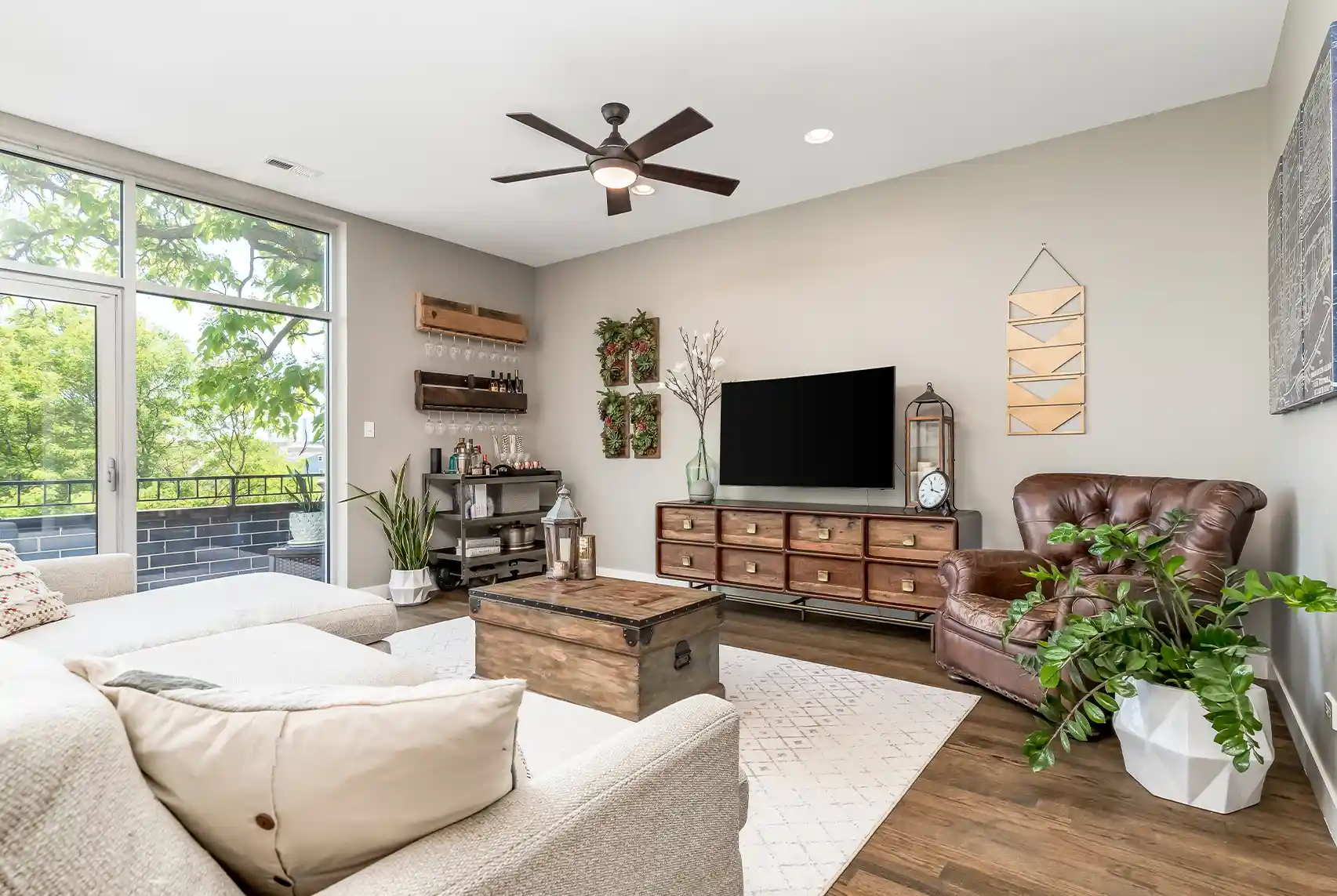
  • Remove tripping hazards like area rugs, single steps, loose cords.
  • Replace door knobs with levers
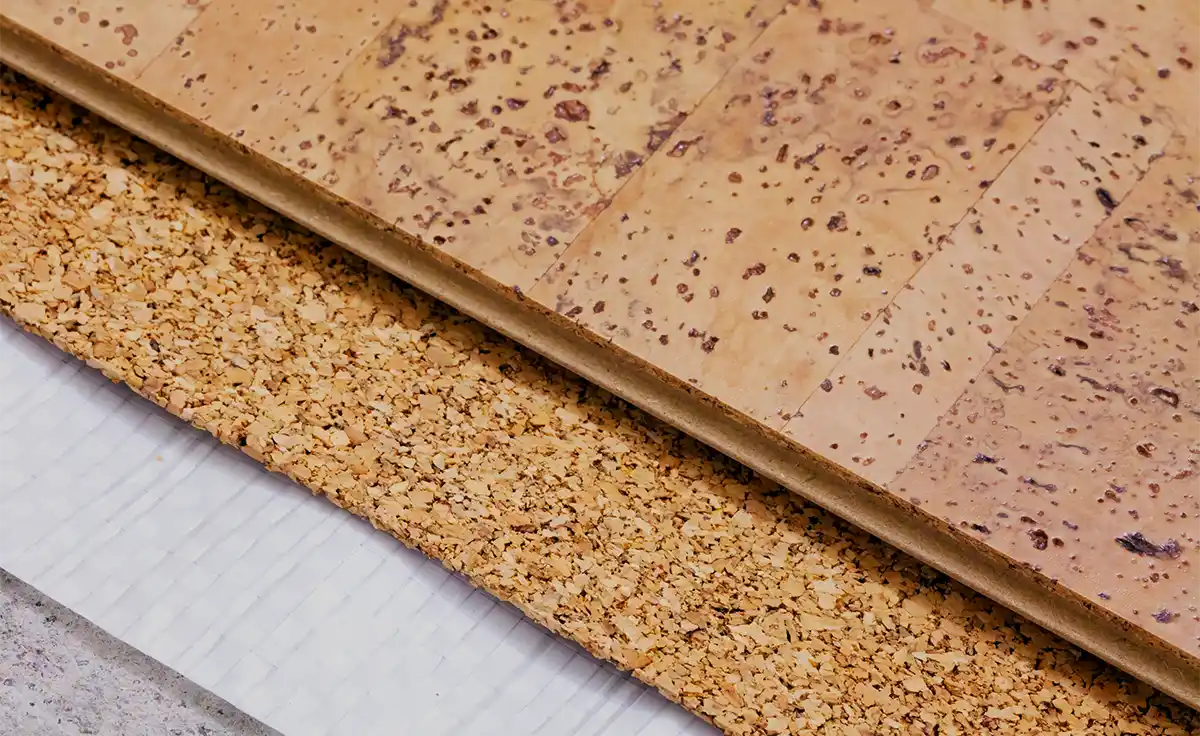
  • Install non-slip flooring
  • Trade traditional faucets for models with blade handles or motion controls
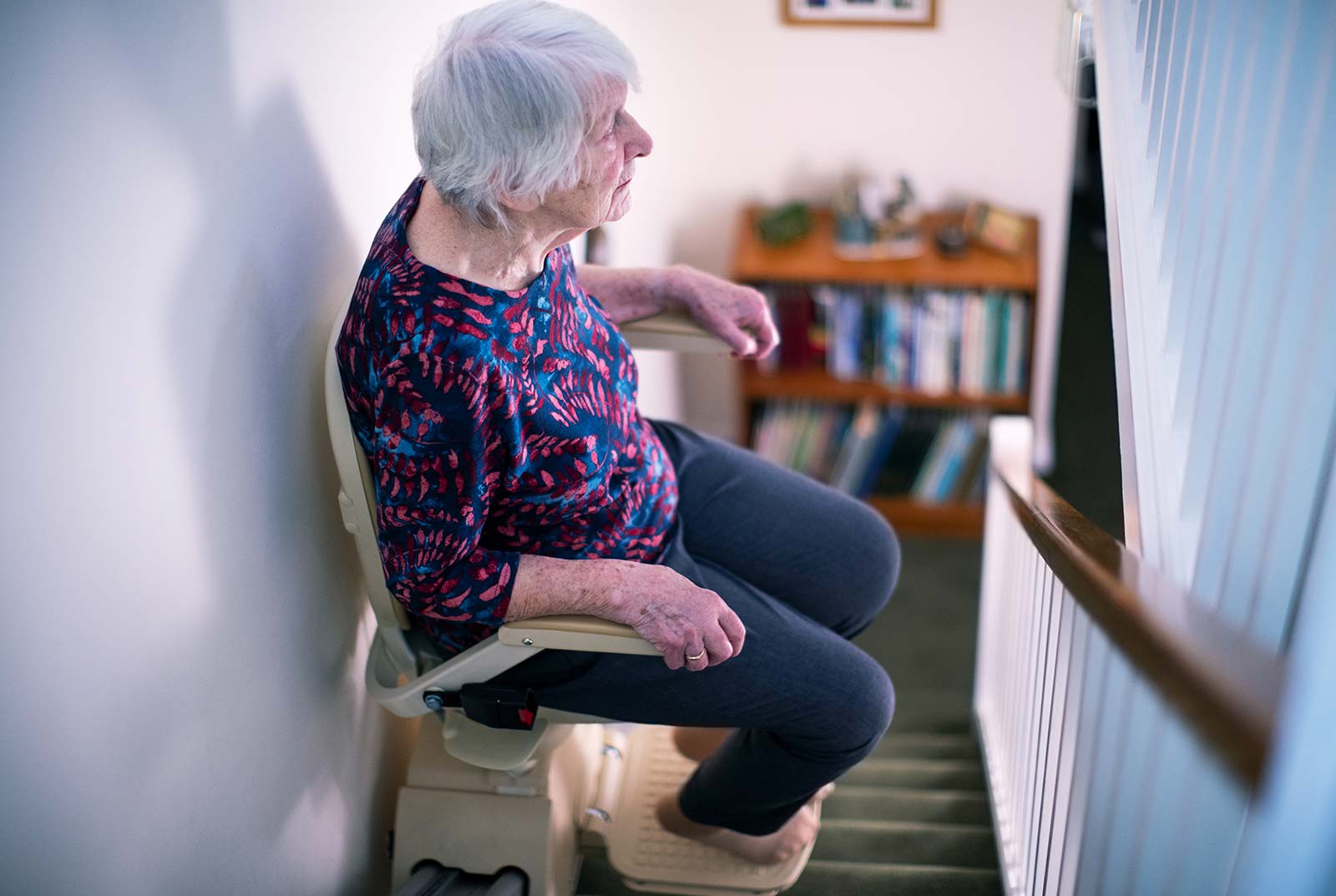
  • Install additional handrails in hallways, staircases and grab bars in bathrooms
  • Convert bathtubs into walking showers or walking tubs.
  • Make most, if not all doorways and room openings at least 36 inches.
  • Lower one vanity sink and eliminate the cabinet underneath, opting instead for a slim vanity shelf.
  • Consider automatic flushing mechanisms.
  • Install anti-scalding temperature controls in showers.
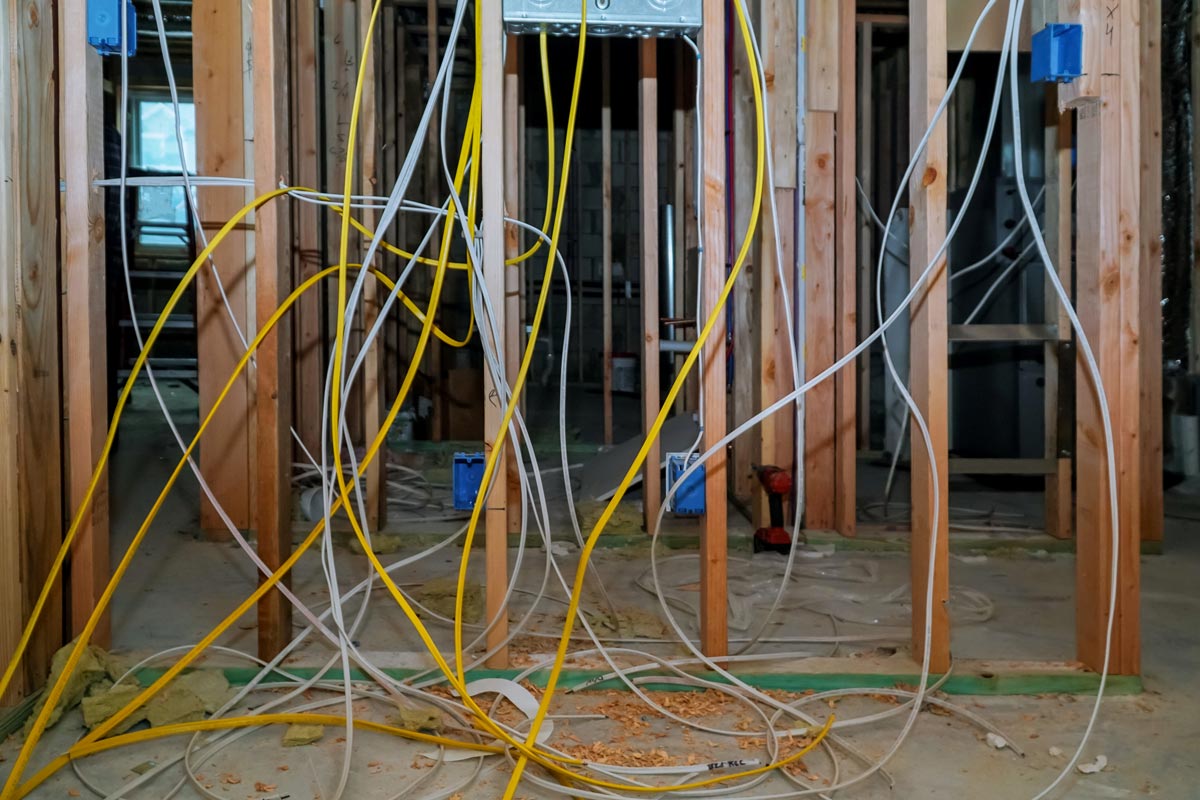
  • Lower electrical switches and raise receptacles 
  • Make appliances easier to reach and use.
  • Consider a phone or call button in every room
  • Brighter lighting systems

There is no doubt that our world is changing as more and more individuals live longer. It is estimated that over three million individuals will turn 65 every year for the next two decades.

There are grants and rebate programs designed to help Canadians pay for renovations to their existing home to meet mobility or other needs. 

Federal Homebuyers’ Plan

The program allows eligible (i.e. first-time homebuyers) Canadians to withdraw up to $35,000 from their RRSPs to build a home to meet the disability needs of themselves or a relative. Note that someone is considered a “first-time homebuyer” if they have not owned a home for four years.

https://www.canada.ca/en/revenue-agency/services/tax/individuals/topics/rrsps-related-plans/what-home-buyers-plan/participate-home-buyers-plan.html 

Provincial Program

B.C. has the Home Renovation Tax Credit for Seniors and Persons with Disabilities that provides qualified participants with a $1,000 credit on their income tax, while PEI’s Seniors Safe @ Home Program offers grants of $1,000 to $5,000 for families earning $50,000 or less annually.

https://www2.gov.bc.ca/gov/content/taxes/income-taxes/personal/credits/seniors-renovation 

Facebook
Twitter
LinkedIn
interior design trends

Alternative Ideas for Interior Design

QUALITY. VALUE. INTEGRITY. 品质•价值•诚信 604.505.1911 info@jwhomes.ca What is Biophilic Design Biophilic design is an innovative approach to architecture and interior design that seeks to incorporate

Read More »
House building trends 2023

House Building Trends 2023

QUALITY. VALUE. INTEGRITY. 品质•价值•诚信 604.505.1911 info@jwhomes.ca Sustainable and eco-friendly construction Many homeowners are increasingly conscious of the impact their homes have on the environment. Therefore,

Read More »

Contact Us