Vinyl siding is inexpensive plastic exterior siding for houses and small apartment buildings. It is an engineered product, manufactured primarily from polyvinyl chloride (PVC) resin. It’s easy to obtain and quick to install, but is it ideal cladding solution for your house?
What are the pros of vinyl siding.
Colour: Vinyl siding’s colour is baked-in and it’s 100 percent homogeneous. Meaning the colour on top runs all the way through. The colour cannot be mechanically abraded, scratched off, or stripped.
Price: Very few siding materials are less expensive than vinyl siding. Comparably-sized shiplap fibre-cement siding may cost twice as much. Vinyl siding will almost always be your least expensive house siding option.
Maintenance: Dirt, cobwebs, and other debris slide from the surface relatively easily when sprayed down with a basic garden hose. Because there is no paint to peel, you will never have to scrape, patch, prime, and paint your house’s exterior surface.
What are the cons of vinyl siding.
Installation: If the siding is nailed too tightly, it may expand and crack or warp. Construction warranties often last only one year, and the product warranty may be voided by faulty installation. Not every contractor has invested in proper training and certification.
Other maintenance issues: Vinyl siding, especially dark and bright coloured siding will fade in sunny climates much faster. Painting is never a good option, because the paint will likely peel and crack after a short time.
Environment: Vinyl siding is primarily composed of polyvinyl chloride (PVC). And the manufacturing process produces greenhouse gases. Another by-product of vinyl siding manufacture is sulphur dioxide, which may contribute to acid rain.
Recycling: Recycling PVC is both difficult and expensive. Recycling plastic typically means polyethylene terephthalate (PETE), the type used to make water bottles. Most recycling centres will not accept items containing PVC.
Cement fibre board.
Cement fibre board siding is a very durable and long-lasting siding product. It’s made of cement, sand, and cellulose fibres which are combine to create an outstanding material to protect houses and beautify homes.
Pros of cement fibre board siding.
Durability: Cement fibre boards are extremely durable. They withstands rain, hail, high winds, storms, snow, ice, harsh humidity, and temperature changes. Will resists moisture penetration, saving homeowners the hassles involved in repairs due to rotting, swelling, or warping.
Maintenance: Requires very little maintenance year-round. You can use your garden hose and a medium bristle nylon brush to clean it twice a year.
Colour: Cement fibre boards come in predetermined colours if that’s you want but can also come just primed and then painted any colour which gives a lot more variation in choice.
Cons of cement fibre board siding.
Pricing: Will require a higher financial investment than vinyl siding. But this investment will boosts your resale value and gives you one of the highest returns on investment (ROI) in the renovation industry.
Painting: The ColorPlus Technology warranty covers the siding’s colour for 15 years. After that you may have to repaint it.
Why we prefer to use Hardie Boards.
One of the more popular brands mainly due to their longevity and great customer service in the industry is James Hardie. They are the most-well known fibre cement siding manufacturer. The company was founded in 1888, but they didn’t start with fibre cement. They invented fibre cement technology in 1980s. Additionally, James Hardie products are known for their list of benefits, including longevity, appearance, storm and weather resistance, and fire resistance. James Hardie fibre cement siding gives homeowners a 30-year non-prorated warranty that is transferable.
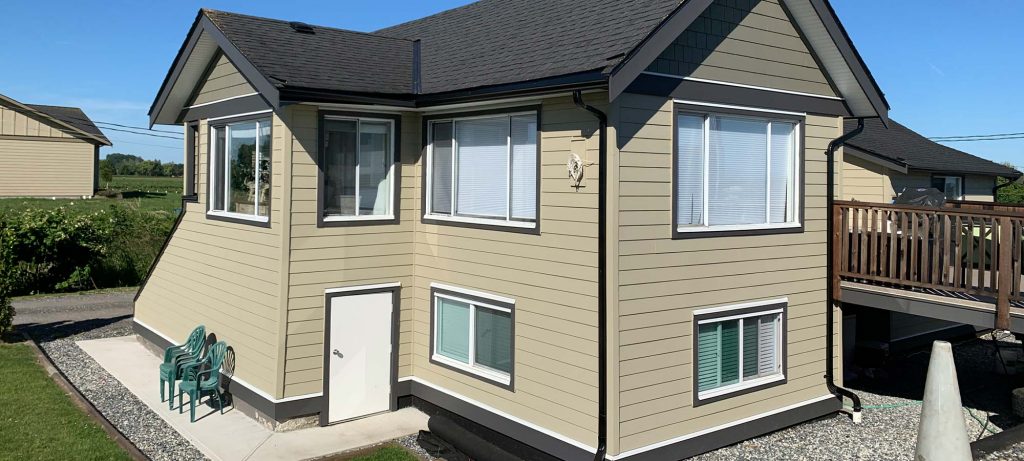
Exterior renovations can make a big impact esthetically, but it also can erase years of the impact of natural elements. Read more about one of our latest projects, where we used Hardie boards.