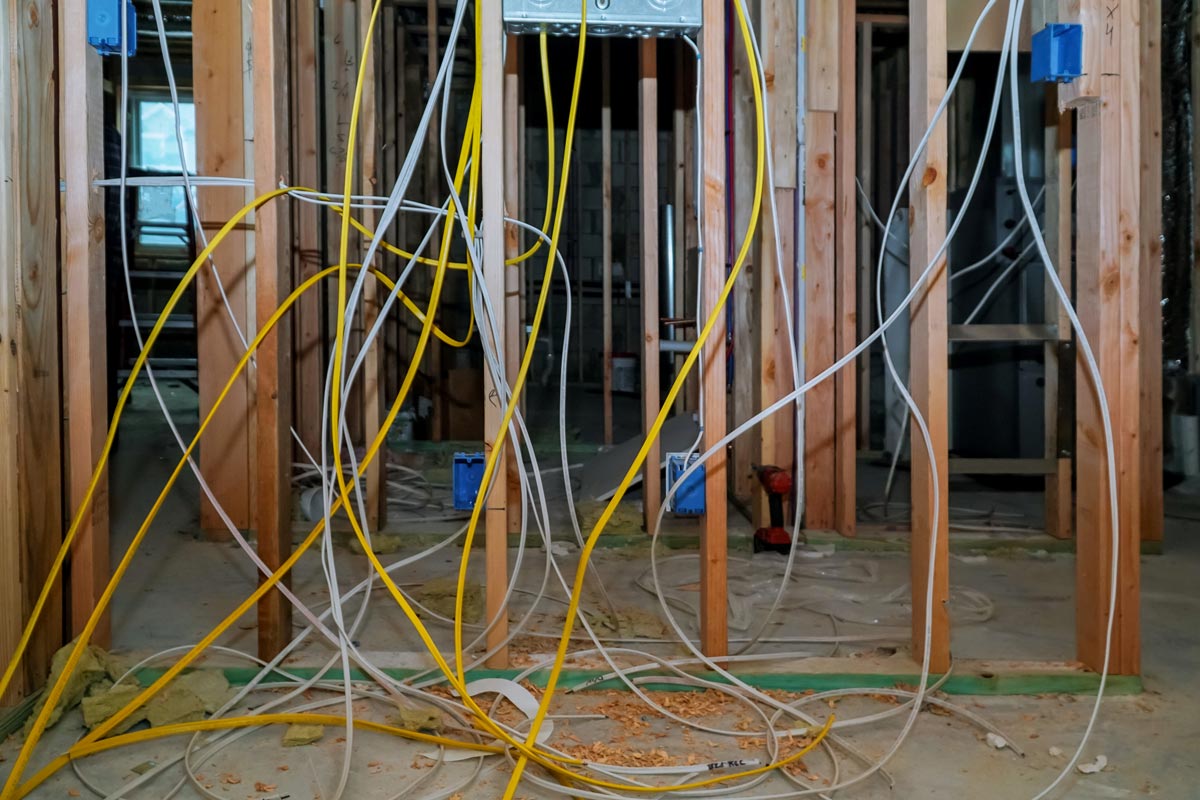
If you’re building a new house, insulation is an important consideration. A good choice can be a smart investment which will pay off in comfort and energy savings for years to come. Good insulation can help reduce your energy bills, keep your home comfortable year-round, and even improve the resale value of your home.
There are many different types of insulation available, so it’s important to choose the correct type for your needs. They are rated by R-value, which measures how well it resists heat flow. The higher the R-value, the better the insulation.
The factors to consider when choosing the best insulation include the climate in your area, the type of home you have, and your budget. They will all play a role in deciding.
Another factor to consider is the type of material. The most common options include fiberglass, cellulose, and foam. Each has its own advantages and disadvantages, so be sure to do some research to figure out which one is right for your home.
Fiberglass insulation
Fiberglass insulation is one of the most popular types of insulation. It’s manufactured from recycled glass and sand. It’s safe, effective, and affordable. Fiberglass insulation can be used in walls, ceilings, and floors. Fiberglass is one of the most popular choices for insulating a wood frame house.
Fiberglass insulation is made from glass fibers. It is commonly used in new construction because it is an effective way to insulate a home. However, there are some safety concerns about using fiberglass insulation in new construction.3
Cellulose insulation
Cellulose insulation is made from recycled paper products and is treated with fire retardants to make it safe for home instalation. Cellulose insulation is effective in both hot and cold climates. It is also one of the most environmentally friendly insulation options available.
It’s an eco-friendly alternative to fiberglass insulation. Cellulose insulation is known for its high R-value; it is very effective at insulating your home. It also does not off-gas harmful chemicals like fiberglass insulation can.
Spray foam insulation
Another option for new homes in is spray foam insulation. Spray foam expands to fill any gaps or cracks, providing a tight seal that helps keep your home warm in the winter and cool in the summer.
It is made-up of two main ingredients: polyurethane and isocyanate. When these two ingredients are mixed together, they create a foaming reaction that expands the insulation material and helps it to adhere to surfaces.
Spray foam insulation has many benefits over traditional types of insulation. It is an effective insulator, meaning it can help keep your home warm in the winter and cool in the summer. It also has a high R-value, which means it will resist heat transfer better than other types of insulation. Additionally, spray foam insulation is best for sealing gaps and cracks that might otherwise let air escape from your home.
When building a new house, insulation is an important consideration. A good choice can be a smart investment which will pay off in comfort and energy savings for years to come. Good insulation can help reduce your energy bills, keep your home comfortable year-round, and even improve the resale value of your home.
In conclusion
Before you choose the right insulation for your new home, consider the following:
- If you live in a colder climate, blown-in insulation may be the best option for your new home.
- If you’re looking for an eco-friendly insulation option for your new home, consider cellulose insulation.
- Fiberglass batting is one of the most common types of insulation used in new homes.
If you’re not sure which type of insulation is right for your new home, contact us at 604.505.1911 or click here to email us.