Sustainable and eco-friendly construction
Many homeowners are increasingly conscious of the impact their homes have on the environment. Therefore, builders may continue to prioritize energy-efficient construction, using materials and techniques that reduce the home’s carbon footprint and energy consumption.
Some of the key features of sustainable and eco-friendly house construction include:
- Energy-efficient design: This involves designing the home to minimize energy consumption, using features like high-efficiency insulation, triple-glazed windows, and passive solar design.
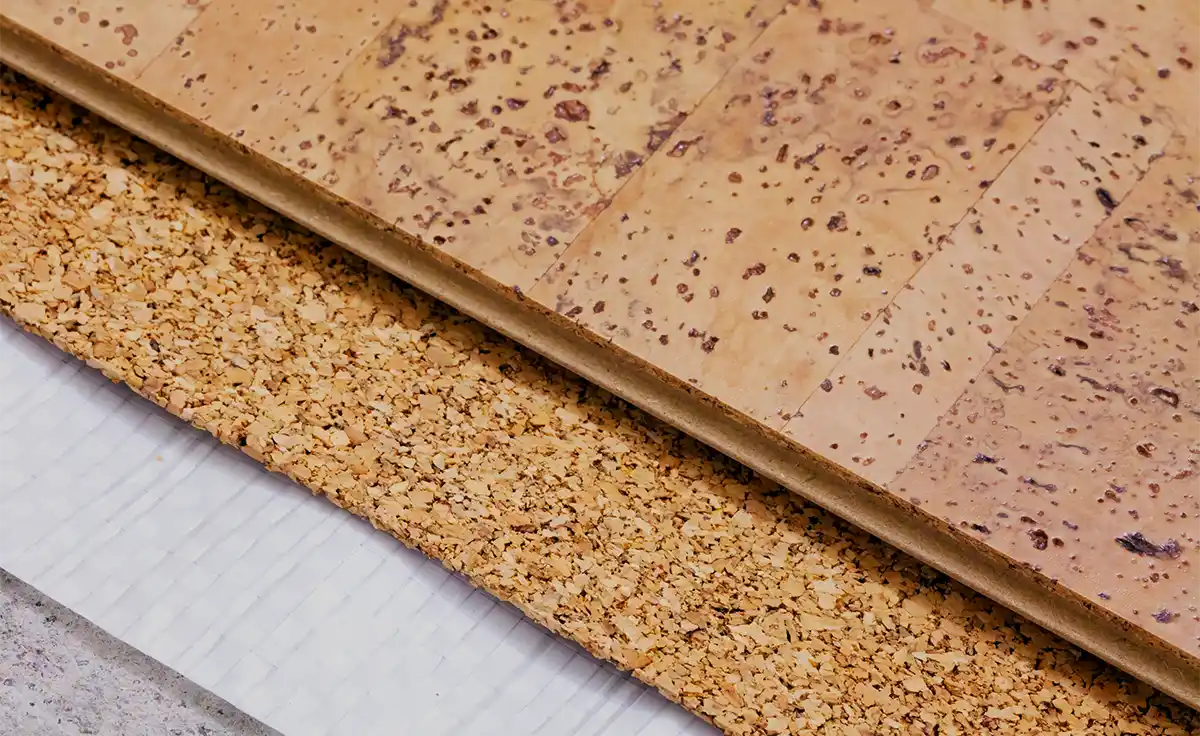
- Use of sustainable materials: Sustainable construction involves using environmentally friendly materials such as bamboo, recycled wood, and low- or zero-VOC paints and finishes.
- Water conservation: Sustainable homes often include rainwater harvesting systems, low-flow faucets, toilets, and greywater recycling systems.
- Renewable energy sources: Incorporating renewable energy sources like solar panels or wind turbines into the design can help reduce the home’s carbon footprint.
- Indoor air quality: Sustainable construction aims to create a healthy living environment using non-toxic building materials, adequate ventilation systems, and air filters.
- Open floor plans: Open floor plans have been popular for several years and may continue to be in demand in 2023. They create a sense of spaciousness and flow, making entertaining more accessible and allowing more natural light to flow into the home.
Open floor plans
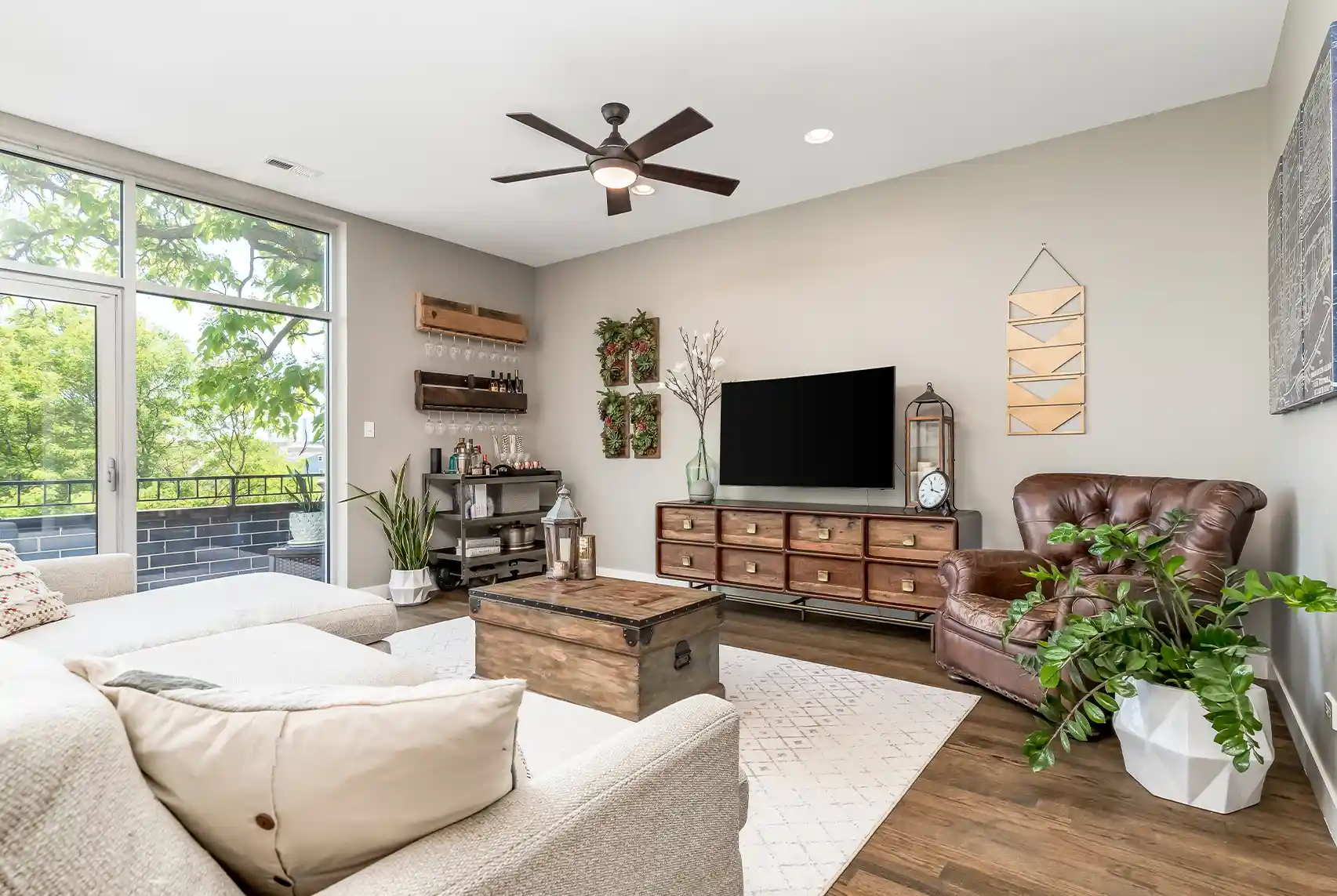
Open floor plans are home designs that combine two or more traditional living spaces into a single large, open area. This usually involves removing walls between rooms, such as the walls separating the kitchen, dining room, and living room, to create one ample space that flows seamlessly from one area to the next.
In an open floor plan, there is typically no visual or physical barrier between the different living spaces, allowing for increased natural light, improved traffic flow, and greater flexibility in furniture arrangement. In addition, this design can create a sense of spaciousness and encourages social interaction, making it easier to entertain guests and for family members to spend time together.
Open floor plans have become increasingly popular in recent years as homeowners seek more versatile living spaces that can accommodate a variety of activities, from cooking and dining to lounging and entertaining. They are trendy in smaller homes or apartments, where every square foot counts, as they can make a space feel larger and more open.
Homeowners are increasingly seeking flexible spaces that can serve multiple purposes, such as a home office that can also be used as a guest room or a playroom that can double as a home gym.
However, open floor plans have drawbacks. One potential downside is that they can be noisy, as sounds from one area of the room can easily travel to another. Additionally, the lack of walls can make it more difficult to create separate, defined spaces within the home, which may be an issue for homeowners who prefer a more traditional layout.
Smart homes
Technology continues to play a major role in home construction, with more and more homeowners interested in connected home devices, security systems, and intelligent appliances that can be controlled remotely.
Smart homes incorporate advanced automation technology to enhance occupants’ comfort, convenience, and security. These homes use Internet of Things (IoT) devices, sensors, and other technologies to enable remote control and monitoring of various systems and appliances in the house, such as lighting, heating and cooling, security systems, and entertainment systems.
Some common examples of innovative home technology include:
- Smart thermostats that can be controlled remotely to adjust heating and cooling settings to save energy and improve comfort.
- Home security systems use cameras, motion detectors, and other sensors to monitor the home and alert homeowners to potential security breaches.
- Voice-activated assistants like Amazon’s Alexa or Google Assistant can control various smart home devices with simple voice commands.
- Smart lighting systems can be programmed to turn on and off at specific times or respond to changes in natural light levels.
- Smart appliances like refrigerators or washing machines can be controlled and monitored remotely using a smartphone or tablet.
Innovative home technology is becoming increasingly popular as homeowners seek to streamline their daily routines and improve their homes’ energy efficiency and security. However, it’s important to note that smart home technology can come with potential privacy and security concerns, as these devices are connected to the internet and could be hacked or used to collect personal data. Therefore, it’s essential to take appropriate security measures when setting up a smart home system.
Multi-functional spaces
Multi-functional spaces are areas of the home that are designed to serve multiple purposes, allowing for more efficient use of space and greater flexibility in how the house is used. These spaces are beneficial in smaller homes or apartments, where every square foot counts and where creating separate rooms for each activity may be challenging.
Some common examples of multi-functional spaces include:
- Home offices that can also double as a guest room or a playroom.
- Dining rooms can also serve as a home office or study area.
- Living rooms that can be used as a home theatre or game room.
- Bedrooms that include built-in storage can be used as a playroom or study area for children.
- Kitchens with a breakfast bar or island can also serve as a work area or dining space.
The key to creating successful multi-functional spaces is choosing versatile furniture and decor that can be easily reconfigured to meet different needs. For example, a sofa bed can be used as seating during the day and transformed into a bed at night for guests. Likewise, a desk with built-in storage can be used as a workspace during the day and as a storage unit for books and toys at night. With careful planning and a bit of creativity, any space in the home can be transformed into a multi-functional area that meets the needs of the entire family.
Indoor-outdoor living
With a greater emphasis on wellness and outdoor living, many homeowners are incorporating outdoor kitchens, decks, and screened porches that seamlessly transition from indoor to outdoor spaces.
Indoor-outdoor living is a design concept that blurs the boundaries between a home’s indoor and outdoor spaces, creating a seamless transition between the two. This design concept is prevalent in regions with mild climates where outdoor living can be enjoyed year-round.
Indoor-outdoor living spaces can include a variety of features, such as:
- Large sliding or bi-fold doors open up to create an expansive opening between the indoor and outdoor spaces.
- Outdoor living areas, such as patios, decks, or courtyards, are designed to be an extension of indoor living spaces.
- Built-in outdoor kitchens, fireplaces, or seating areas provide all the comforts of indoor living in an outdoor setting.
- Natural elements, such as water features or garden walls, connect the indoor and outdoor spaces and create a cohesive design.
Indoor-outdoor living spaces offer many benefits, such as creating a sense of openness and spaciousness, maximizing natural light and ventilation, and promoting a healthier, more active lifestyle. They also allow for easy entertaining and provide a relaxing retreat from the stresses of daily life.
Creating a successful indoor-outdoor living space requires careful planning and attention to detail. Choosing materials and finishes that can withstand the elements and considering the climate and natural surroundings when designing the space is essential. With the right design, an indoor-outdoor living space can become a favourite gathering spot for family and friends and a beautiful addition to any home.
It’s important to note that these trends may vary depending on factors such as location, budget, and personal preferences.
Are you thinking about building a new house or renovating your current one? Our experienced team will get back to you to set up a meeting to discuss your project scope and budget. Call us at 604.505.1911 or email us at info@jwhomes.ca.